
AI and intellectual property are becoming increasingly interconnected as artificial intelligence reshapes how organizations create, use, manage, protect, and unlock value from their IP assets.
Executive Masterclass: AI & Intellectual Property
From IP Protection to the AI-Ready Enterprise
AI is transforming far more than the way we work. It is reshaping how organizations create, use, manage, and unlock value from intellectual property (IP).
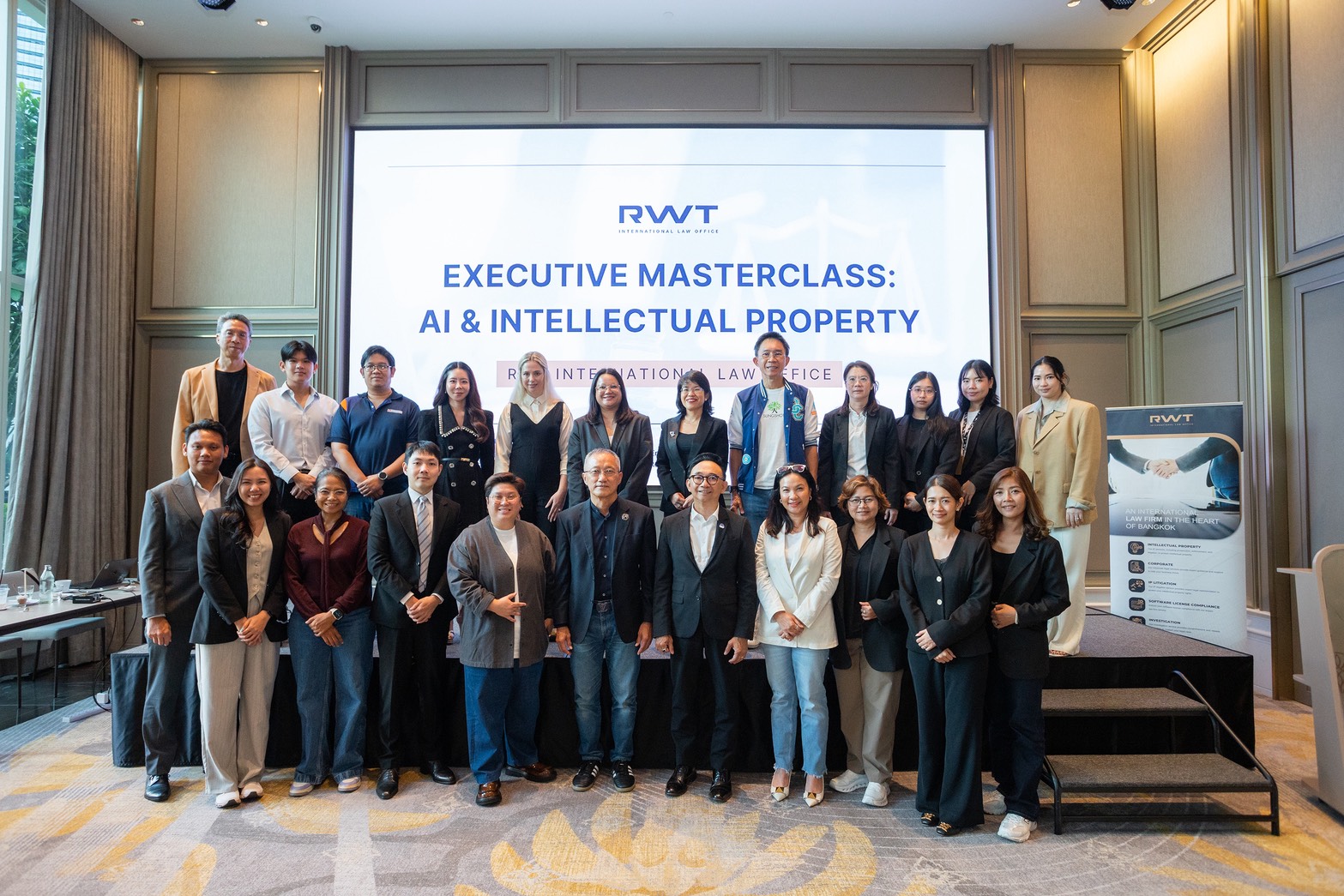
RWT in collaboration with Club Learnity by LeadershipACT, hosted the Executive Masterclass: AI & Intellectual Property, bringing together business leaders and executives to explore a critical question: as AI becomes an integral part of the business ecosystem, how should organizations prepare their IP, legal governance, and business strategies for what comes next?
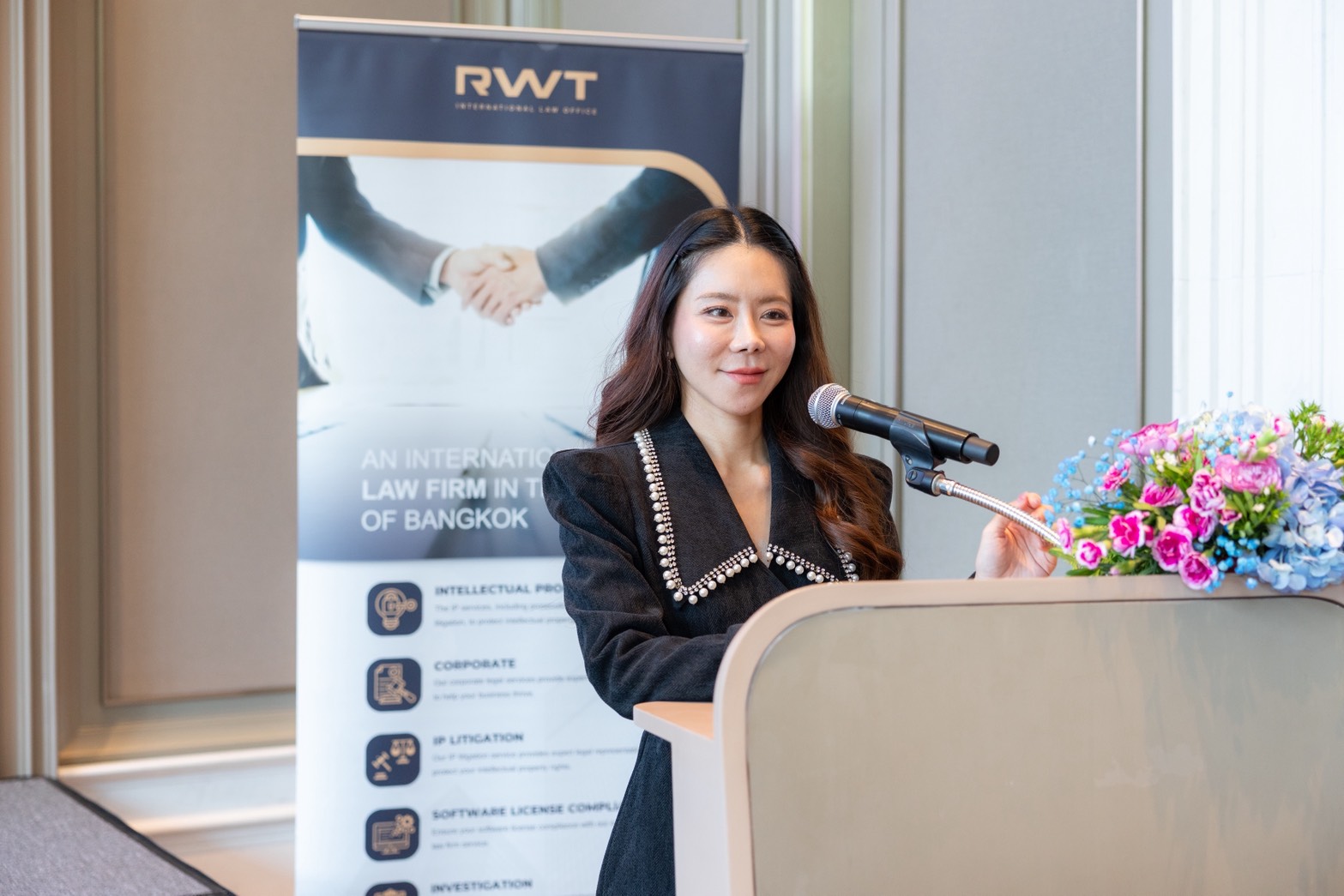
During the Masterclass, Rachadawan Kelar, Founder & Managing Partner of RWT International Law Office, explored the evolution of intellectual property management through four stages:
IP 1.0 – Protection
IP 2.0 – Commercialization
IP 3.0 – Platform Economy
IP 4.0 – Programmable Rights
The session examined some of the most pressing issues organizations are facing today, including ownership of AI-generated works, the use of data and IP in AI training, provenance and attribution, AI-related legal risks, and the development of effective AI Governance frameworks and internal AI policies.
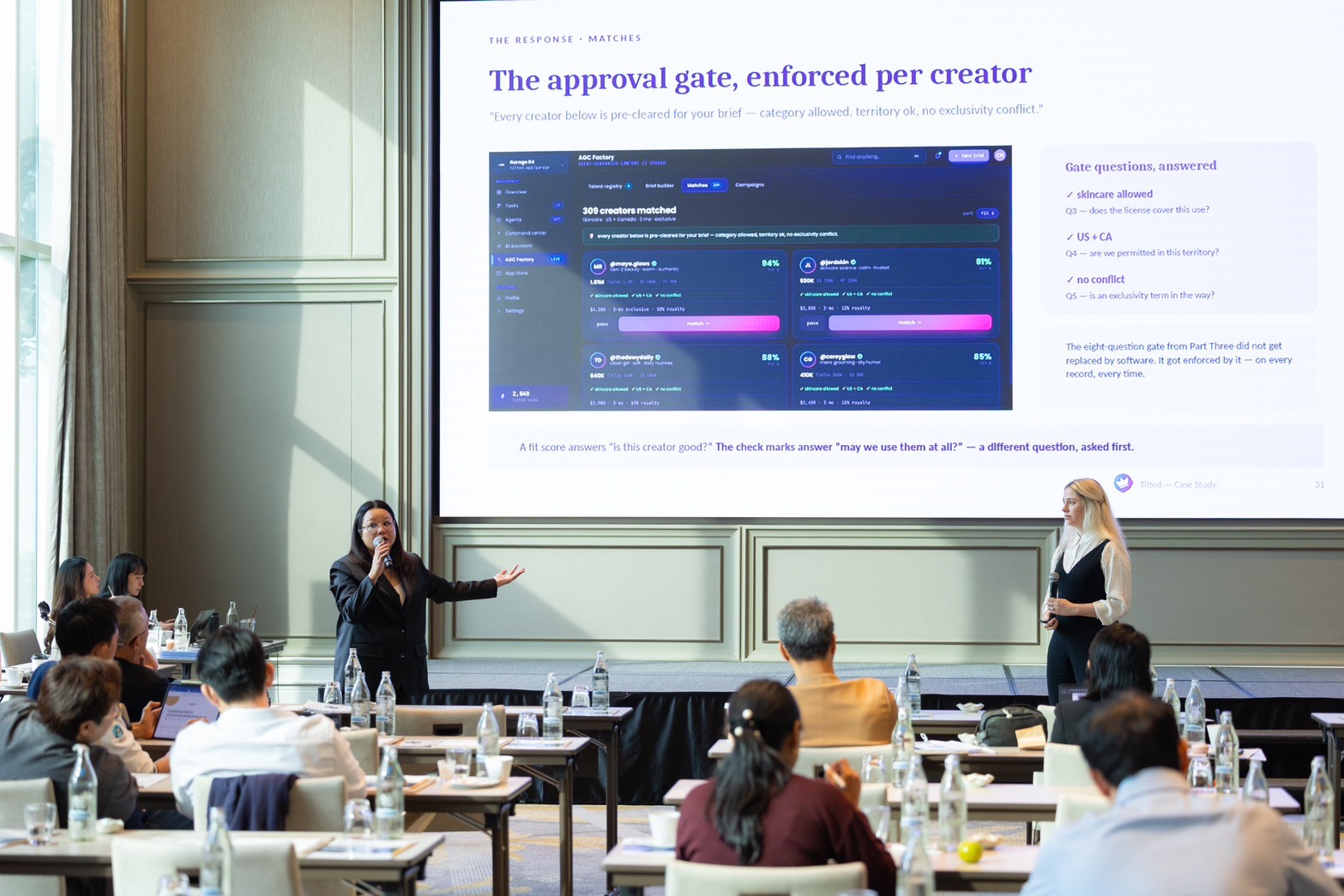
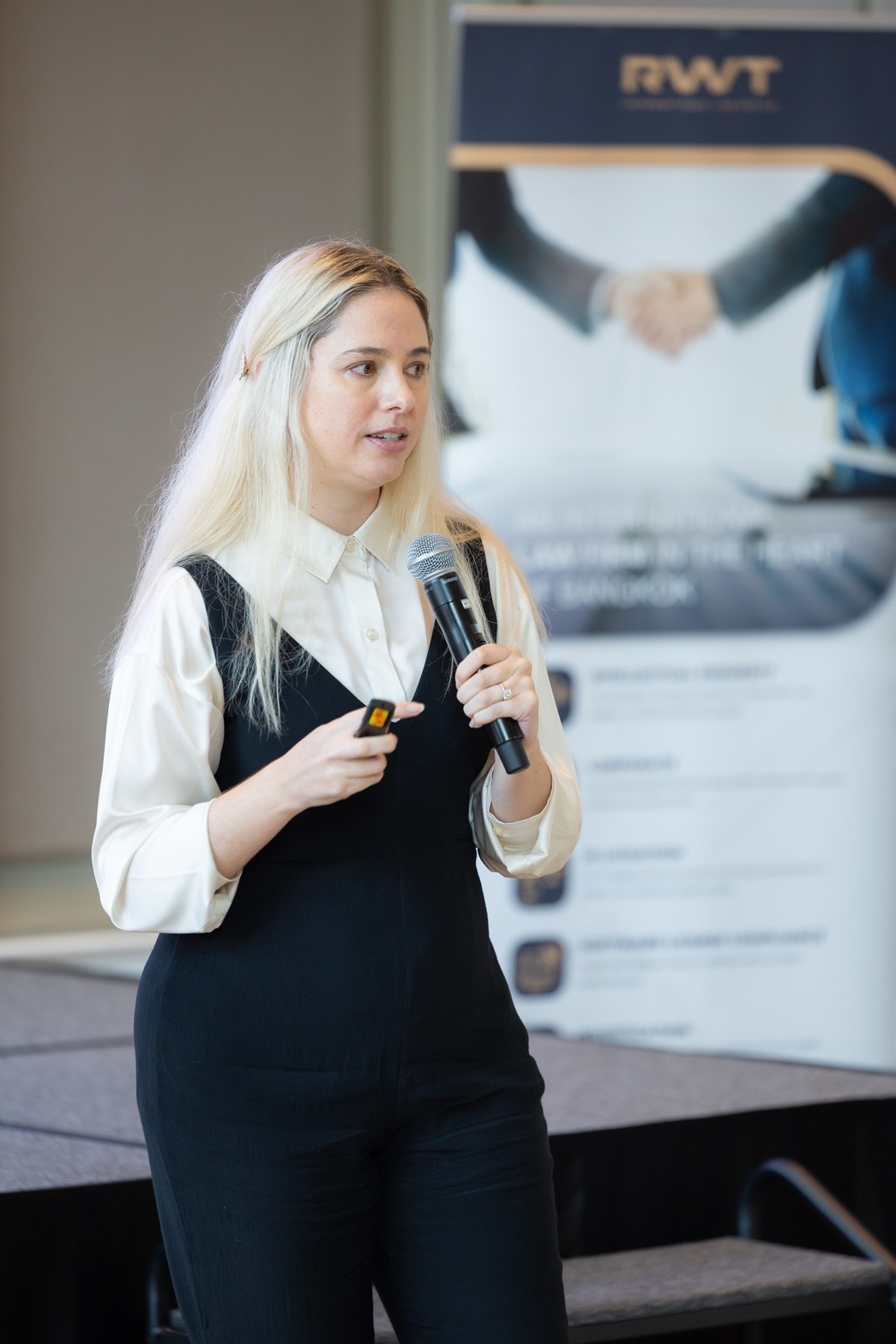
A key highlight of the Masterclass was the participation of Khun Sarah Austin, who brought extensive experience from Silicon Valley and the worlds of gaming, AI, movies, and technology. She shared insights into AI Agents—what they are, how they are evolving, and how they may change the way businesses and global brands manage and commercialize intellectual property.
The discussion explored how IP commercialization may evolve beyond traditional licensing toward machine-readable rights, automated licensing, automated royalty distribution, and AI-enabled rights management—enabling rights to be discovered, verified, licensed, and commercially utilized more efficiently within an AI-driven economy.
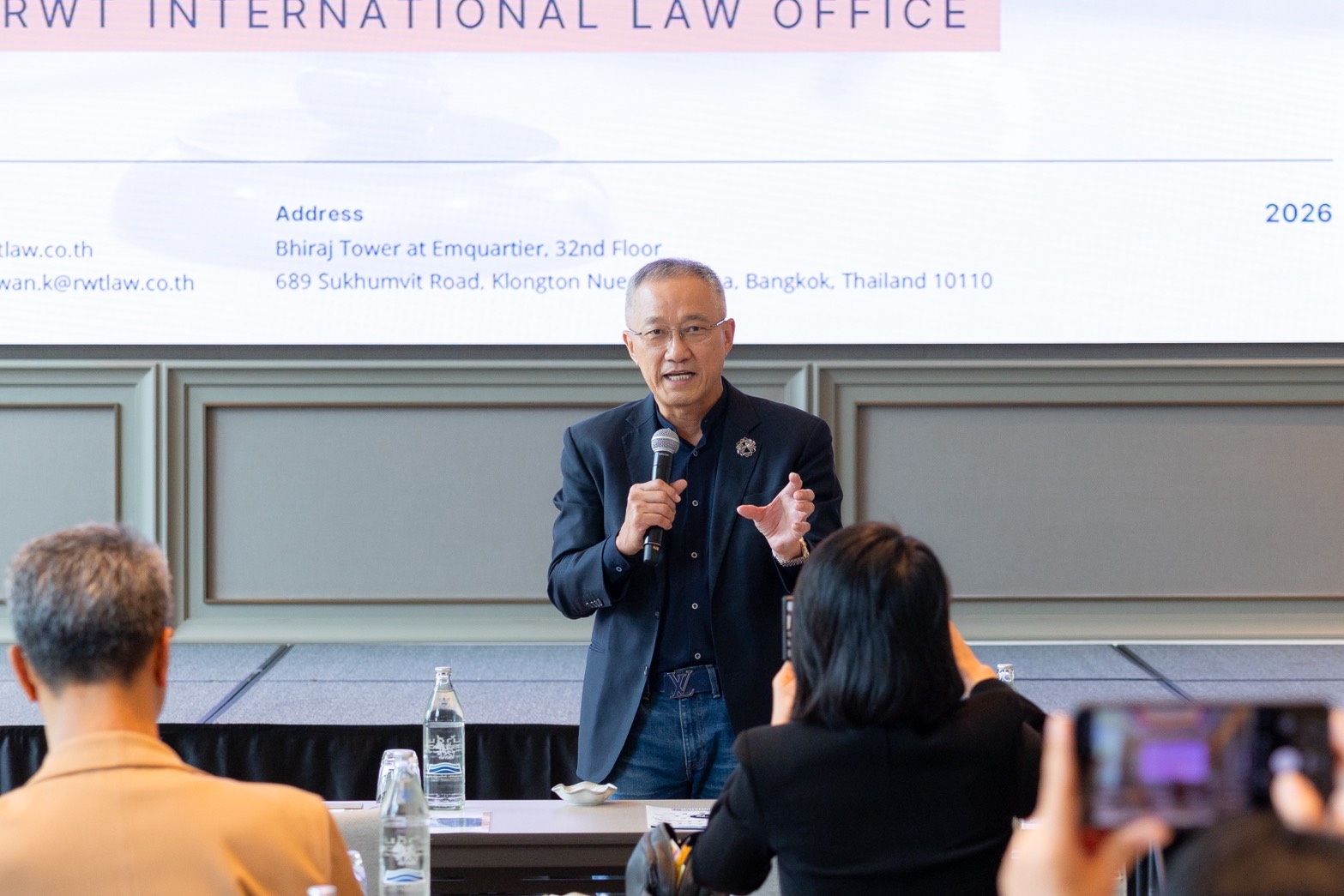
The Masterclass concluded with an Executive Dialogue on the Future of AI, IP and Organizational Transformation, addressing questions that are increasingly important for business leaders: How might AI reshape business models over the next three to five years? Where should organizations prioritize investment? How should Technology and Legal teams work together? And when should organizations begin building their AI Governance frameworks?
As the AI economy develops, the value of IP may increasingly depend not only on whether it is legally protected, but also on whether it can be effectively managed, licensed, and commercially deployed in an AI-driven environment.